Wedding Decoration Flower Plant: A Botanical Vector Set for Designers
There is a timeless quality to incorporating botanical elements into visual communication. Whether you are a graphic designer finalizing a wedding invitation suite, a small business owner crafting packaging for a skincare line, or a content creator looking to add a touch of nature to social media assets, the demand for high-quality floral graphics is constant. However, finding the right asset that balances versatility with aesthetic appeal can often be a challenge. The "Wedding Decoration Flower Plant" collection is designed specifically to bridge that gap, offering a comprehensive suite of botanical illustrations that serve as a foundation for a wide array of creative projects.
Understanding the Visual Appeal of Botanical Assets
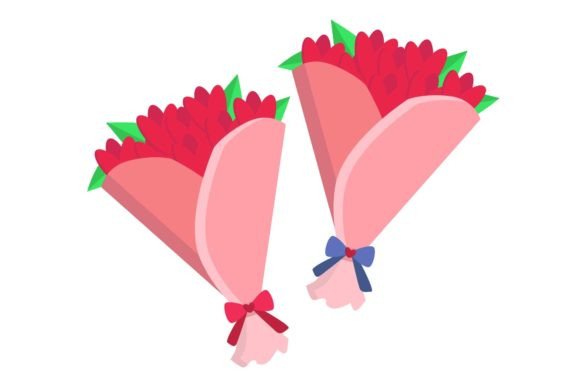
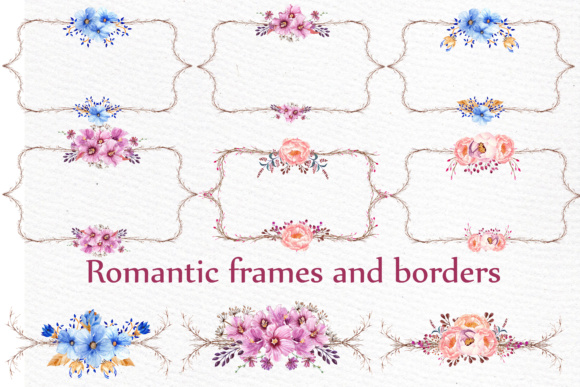
At its core, the appeal of floral design lies in its ability to convey emotion and atmosphere instantly. Unlike abstract geometric shapes, flowers and plants carry inherent symbolic meanings—romance, growth, freshness, and elegance. This particular collection focuses on the delicate intricacy of wedding-style florals. Think of soft, flowing lines that mimic the organic curves of petals and leaves. The visual weight is carefully balanced; the illustrations are detailed enough to stand alone as focal points but versatile enough to serve as subtle background textures or borders.
What makes these specific assets stand out is the clarity of the linework. Whether used in a bold, flat color format or a fine-line monochrome style, the designs maintain their integrity. This is crucial for modern design trends where minimalism often intersects with organic themes. The aesthetic is not just about "pretty flowers"; it is about creating a cohesive visual language that communicates professionalism and attention to detail.
Practical Applications Across Digital and Print Media
The true value of a design asset lies in its adaptability. The "Wedding Decoration Flower Plant" files are not limited to a single use case. Because they are delivered in six distinct formats—AI, EPS, SVG, JPG, PNG, and DXF—they are ready for almost any workflow.
For web design and blogs, the high-resolution nature of these files (1920px x 1280px) ensures that they look crisp on high-density retina screens. You can use them as hero images, section dividers, or subtle background textures behind text blocks. In social media graphics, consistency is key. These assets allow you to create a cohesive aesthetic across Instagram, Pinterest, and Facebook. You can overlay text on the JPGs for quick quotes or use the PNG files (with their transparent backgrounds) to layer flowers over product shots.
For those in editorial design, such as magazine layouts or blog headers, the EPS and AI vector files are invaluable. Vectors are infinitely scalable, meaning you can enlarge a specific flower to fill a full-page bleed or shrink it down for a footnote icon without losing a single pixel of quality. This scalability also makes them perfect for packaging design. Imagine a tea company using a subtle floral pattern on their box sleeves, or a jewelry brand using a delicate floral border on their hang tags.
Beyond the screen, these files open up a world of merchandise possibilities. The availability of DXF files is particularly useful for crafters and makers using cutting machines like Cricut or Silhouette. You can cut these designs out of vinyl to decorate phone cases, tote bags, or even use them as stencils for etching glass. For print materials like wedding invitations, save-the-dates, or menus, the high resolution ensures that the prints are sharp and professional, avoiding the pixelation often associated with lower-quality web graphics.
Enhancing Brand Identity and Consistency
For entrepreneurs and brand strategists, visual consistency is the bedrock of brand recognition. When a customer sees your content, they should be able to identify your brand within seconds. Using a consistent set of floral assets helps build this visual identity. If you are a wedding planner, incorporating these specific floral elements across your proposal templates, website, and business cards creates a signature look that clients will remember.
However, using botanical elements effectively requires a thoughtful approach to font pairing. The "Wedding Decoration Flower Plant" illustrations have a distinct personality—often elegant, romantic, or organic. To maintain a professional presentation, you need to pair them with typography that complements rather than competes.
For instance, if you are using a dense floral arrangement as a background, a clean sans serif font with ample line height (white space) will ensure your text remains readable. The contrast between the organic, chaotic nature of the flowers and the structured geometry of a sans serif typeface creates a pleasing visual tension. Conversely, if you are using a single, delicate flower stem as a logo element, you might pair it with a script font or a handwritten font to enhance the personal, artisanal feel of the brand.
When choosing your typography, consider the "voice" of the project. A luxury brand might pair these florals with a high-contrast serif font to evoke tradition and sophistication. A modern lifestyle brand might use a geometric display font to keep the look contemporary. The goal is to ensure that the typography and the imagery are speaking the same language.
Technical Considerations for Designers
From a technical standpoint, the utility of these assets is enhanced by the variety of file formats provided.
- Vector Files (AI, EPS, SVG): These are essential for any project where scalability is required. They allow you to change colors easily in Adobe Illustrator or Affinity Designer, making it simple to match the flowers to a specific brand color palette.
- Standard Image Files (JPG, PNG): These are your workhorses for web and quick edits. The PNG format is particularly useful for logo design or placing elements onto colored backgrounds, as the transparent background integrates seamlessly.
- Cutting Files (DXF): This bridges the gap between digital design and physical crafting, allowing for precision cutting for merchandise or decor.
When working with these assets, always consider the context of the final output. If you are designing for digital products, such as digital planners or wallpapers, ensure that the colors are vibrant and the resolution is optimized for screen viewing. If the project is for print materials, always convert your color mode to CMYK to avoid color shifting during the printing process.
Maximizing Value in Commercial Projects
For the creative entrepreneur, time is money. Having a library of high-quality, ready-to-use design assets streamlines the production process. Instead of spending hours sketching custom florals for every new project, you can utilize the "Wedding Decoration Flower Plant" collection as a starting point. This allows you to focus your energy on layout, typography, and client strategy.
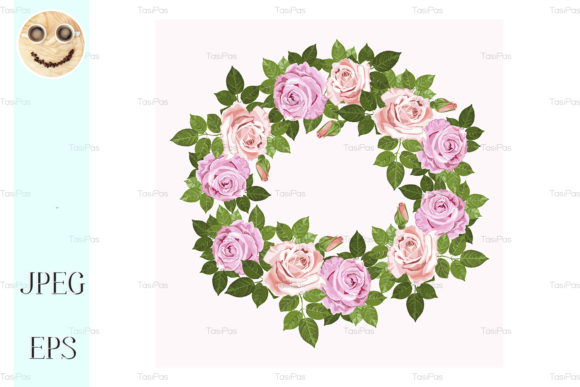
When incorporating these into marketing assets, think about storytelling. A flower isn't just a decoration; it can be a metaphor. Use a blooming flower to represent a business growing or a new product launch. Use a wreath of flowers to frame a "Thank You" message to customers. These subtle psychological cues help improve audience engagement by creating an emotional connection with the viewer.
Ultimately, the goal of any design element is to support the message, not overshadow it. By using the "Wedding Decoration Flower Plant" collection thoughtfully—balancing the organic imagery with strong typography and clear layouts—you can elevate your projects from simple designs to compelling visual narratives. Whether you are building a brand from scratch or refreshing an existing look, these botanical assets provide a versatile and elegant toolkit for the modern creative.