A Designer's Guide to Egypt Traditional Wedding Vector Art
There’s a certain weight and story to Egyptian design that’s instantly recognizable. It’s more than just hieroglyphs and pyramids; it’s a visual language steeped in history, royalty, and intricate beauty. For designers and creators, tapping into this aesthetic can be incredibly powerful, but finding assets that feel authentic and are also practical for modern projects can be a challenge. That’s where a dedicated design collection focused on an Egypt Traditional Wedding comes in, offering a curated set of elements that capture the essence of pharaonic elegance for contemporary use.
The Allure of Pharaonic Aesthetics
What makes Egyptian-inspired design so compelling? It’s the combination of bold geometry, symbolic imagery, and a rich color palette. Think of the strong lines of a cartouche, the detailed beadwork of a collar, the regal posture of figures, and the iconic motifs like the Eye of Horus or the lotus flower. These elements aren't just decorative; they carry meaning. A design toolkit built around a traditional wedding theme naturally incorporates these symbols of union, eternity, and celebration. This provides a narrative depth that generic clipart can't match. When you use these vectors, you're not just placing a graphic; you're embedding a story into your work.
The visual appeal lies in its versatility. The style can be adapted to feel luxurious and solemn for high-end branding, or vibrant and playful for event promotions. The key is having well-crafted, editable source files. A collection where all graphics are 100% vector is non-negotiable for serious work. This means you can scale a detailed wedding scene for a billboard or shrink it for a favicon without losing a single crisp line. The ability to edit every object and color in a program like Adobe Illustrator transforms these from simple images into a true design system for your brand.
From Ancient Motifs to Modern Marketing
The real value of a resource like this is unlocked in its application. Let’s move beyond theory and look at how these assets solve real design problems. For a brand strategist working with a client in the luxury goods, cosmetics, or jewelry space, this style offers an immediate shorthand for opulence and timeless quality. Imagine a logo for a high-end perfume line that incorporates a subtle papyrus lotus motif, or packaging for artisanal chocolates that uses a repeating border pattern inspired by temple friezes. It instantly communicates a story and a standard of care.
For content creators and social media managers, the applications are equally potent. A series of Instagram posts for a history-themed podcast, a Pinterest graphic for an article on ancient beauty rituals, or a Facebook ad for an Egyptian-themed gala all benefit from cohesive, thematic visuals. Using consistent character design illustrations and patterns from the same set ensures your feed looks curated and professional, boosting brand recognition. This approach is far more effective than searching for disparate stock images that never quite match.
Consider these practical uses for a project:
- Event Branding: Designing invitations, programs, and signage for a cultural event, museum opening, or themed wedding.
- Editorial Design: Creating compelling chapter headings, pull quotes, or feature layouts in magazines, books, or annual reports with a historical or artistic focus.
- Digital Products: Developing unique printable art, planner stickers, or educational materials for teachers and students.
- Merchandise: Applying patterns and motifs to products like tote bags, t-shirts, or phone cases for a niche market.
- Web Design: Using subtle background patterns or icon sets to theme a website for an archaeology blog, a travel agency specializing in Nile tours, or a museum gift shop.
Integrating the Style with Confidence
Adopting a strong stylistic theme requires a thoughtful approach to ensure it enhances rather than overwhelms your project. The first step is understanding the personality of the assets. Egyptian-inspired design often leans towards display font territory—think serif font choices with sharp, clean lines or sans serif font options with a geometric, monumental feel. Pairing these with a simpler, highly readable body font is crucial. A ornate script font might be beautiful for a wedding invitation headline but would be illegible for a paragraph of text. Always prioritize readability.
When selecting elements from a kit, ask yourself about the goal. Is the project aiming for historical accuracy, or is it a more playful, modern interpretation? For a formal application, you might use a single, detailed illustration as a focal point, supported by a restrained color palette of gold, lapis lazuli blue, and black. For a more dynamic project like a social media campaign, you could use a vibrant mix of character vignettes, hieroglyphic borders, and pattern fills to create energy and movement.
Here’s a simple checklist for integration:
- Define Your Color Story: Even though the files are in RGB and fully editable, start with the traditional palette as a guide. Then, adapt it. Swap a gold for a modern metallic or a deep blue for a contemporary teal to align with your brand's existing colors.
- Test Font Pairings: Don't just assume. Place your chosen typeface alongside the vector elements. Does the x-height complement the line weight of the illustrations? Is there a visual harmony?
- Focus on Composition: Use the detailed vectors as anchors. Let them lead the viewer's eye through a layout. A well-organized file with separate shapes makes this easy—you can isolate a single lotus flower or a section of a border to use as a subtle accent.
- Consider the Medium: A high-resolution, detailed illustration will look stunning on a printed poster but might be too heavy for a fast-loading website. Use the vector flexibility to create simplified versions of the same assets for digital use.
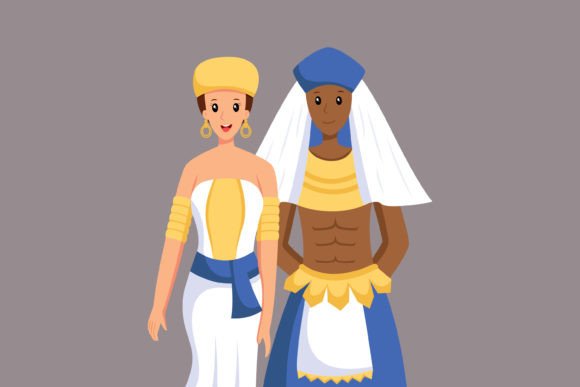
Ultimately, a well-executed Egypt Traditional Wedding character design illustration set is more than a collection of pretty pictures. It’s a design asset that provides a cohesive visual language. It saves countless hours of research and drafting, offering a foundation that’s both beautiful and built for commercial use. For the creative professional, it’s about having the right tools to tell a compelling visual story with efficiency and impact, ensuring the final product is not only seen but remembered.