Celebrating Vietnam Traditional Wedding Through Design
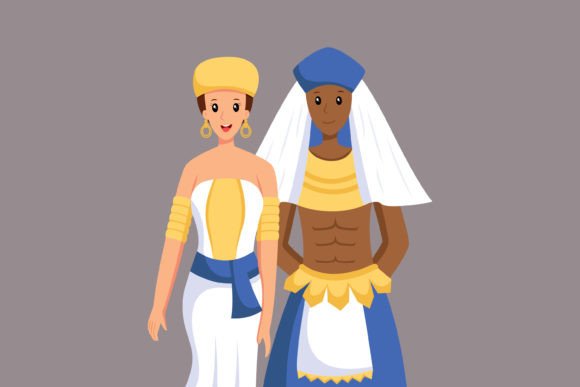
The rich tapestry of a Vietnam traditional wedding offers an endless wellspring of inspiration for designers and creators. It's a celebration steeped in symbolism, vibrant color, and profound meaning. Translating this visual and emotional depth into modern design projects requires more than just slapping a few motifs together; it demands a thoughtful approach that honors tradition while speaking a contemporary language. This is where a dedicated design asset, like a comprehensive vector illustration collection, becomes an invaluable tool for any creative professional's toolkit.
A Visual Language of Symbolism and Color
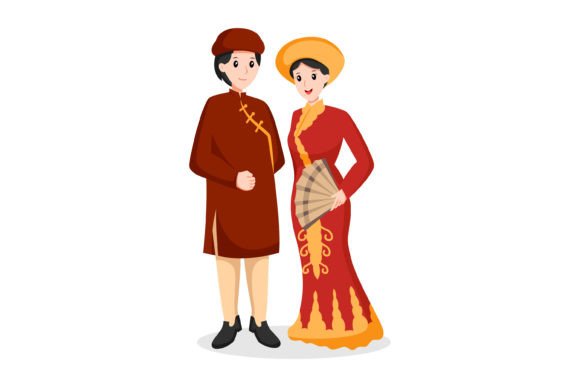
At its heart, the aesthetic of a Vietnam traditional wedding is built on a foundation of potent symbols and a specific, auspicious color palette. The iconic Áo Dài, the elegant national dress, is often rendered in brilliant reds and golds, symbolizing luck, prosperity, and happiness. Motifs like the dragon (rồng) and phoenix (phượng), representing the groom and bride, are woven into fabrics, embroidery, and decorations. Other recurring elements include the betel leaf and areca nut (trầu cau), signifying marital harmony, and the double happiness character (song hỷ), a ubiquitous emblem of marital bliss.
For a designer, capturing this essence accurately is crucial. A poorly executed motif can feel inauthentic or even disrespectful. This is precisely why a professionally crafted vector EPS file is so powerful. Unlike raster images that pixelate when scaled, these 100% vector graphics maintain perfect clarity whether you're enlarging them for a wedding backdrop or shrinking them for a social media icon. The ability to edit every object and color in Adobe Illustrator means you can adjust the gold to a warmer tone, modify the red to match a specific brand palette, or deconstruct a complex illustration to use its individual elements elsewhere in your design system.
From Wedding Invitations to Brand Identity
The practical applications for this style of illustration extend far beyond the wedding industry itself. Consider a high-end restaurant specializing in Vietnamese cuisine. Using subtle, elegant line art derived from traditional wedding motifs on menus, signage, and packaging can communicate authenticity, celebration, and premium quality. A boutique hotel might incorporate these patterns into their interior design collateral, from wall art to stationery, to create a unique and culturally rich guest experience.
For entrepreneurs and small business owners, this design language offers a distinct competitive edge. A skincare brand using ingredients from Vietnam could use delicate illustrations of lotus flowers or phoenixes in their packaging design to tell a deeper story about heritage and care. Similarly, a content creator focusing on travel, food, or culture can use these graphics to produce visually consistent and engaging social media graphics, blog headers, and YouTube thumbnails that instantly communicate their niche and attract a like-minded audience.
Building Cohesive and Meaningful Projects
A key challenge in any design project is achieving visual consistency. A scattered collection of mismatched assets leads to a disjointed and unprofessional presentation. A well-organized set of vector illustrations, like the one described, solves this problem. Because all the graphics are created in a harmonious style—sharing consistent line weights, color modes (RGB), and thematic elements—they naturally work together. This allows you to build a complete brand identity or marketing campaign with a unified look and feel.
Imagine creating a wedding invitation suite. You could use a detailed central illustration for the main invite, a border pattern for the RSVP card, and a simplified icon for the thank-you notes. This creates a seamless experience for the guest. The same principle applies to editorial layouts for a magazine feature on Asian weddings or digital products like printable wall art or planners. The high-resolution, ready-to-use files ensure your final output, whether printed or digital, looks crisp and professional.
Practical Advice for Working with Cultural Motifs
When incorporating such specific cultural elements into your work, a thoughtful process is non-negotiable.
- Research with Respect: Understand the meaning behind the symbols you use. The dragon and phoenix are not just decorative; they carry significant cultural weight. Using them appropriately shows respect and adds depth to your design.
- Context is Key: A bold, red double-happiness symbol might be perfect for a festive invitation but could feel overpowering on a minimalist business card. Consider the context and audience of your final product.
- Typography Pairing: The illustrations themselves are a form of visual communication. Pair them with fonts that complement, not compete. A clean, modern sans serif font can provide excellent contrast, while an elegant script font can enhance the romantic, celebratory feel. Always test font pairings to ensure readability and harmony.
- Customization is Your Superpower: Don't just use the illustrations as-is. Because they are editable vectors, you can change colors to match your project's palette, remove elements for a simpler look, or combine parts from different illustrations to create something entirely new. This is how you move from using a design asset to making it your own.
Streamlining Your Creative Workflow
For the busy creative, time is a precious commodity. Searching for high-quality, authentic cultural assets can be a time-consuming process fraught with licensing uncertainties and quality issues. Investing in a dedicated, premium design asset pack eliminates these hurdles. The included commercial licensing typically covers a wide range of uses, from client work to merchandise you sell, giving you peace of mind.
The well-organized shapes within the file mean you spend less time wrestling with complex paths and more time on the creative part of your job. Whether you're a graphic designer crafting a logo for a new Vietnamese-themed venture, a marketer developing a campaign for a cultural festival, or a blogger looking to enhance your visual storytelling, having a reliable library of thematic assets accelerates your workflow and elevates the quality of your output. It transforms a project from generic to genuinely compelling, connecting with your audience on a more meaningful level through shared visual language and cultural appreciation.