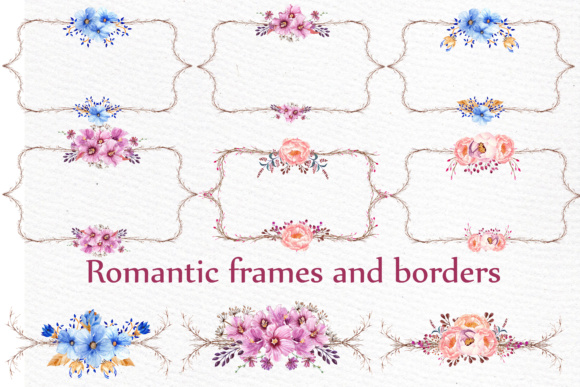
Wedding Flower Frame Clipart: Elevate Your Invitation Suite
When planning a wedding, the stationery is often the first whisper of the story you’re about to tell. It sets the mood, hints at the color palette, and gives guests a glimpse into the aesthetic of your big day. If you’re a designer, a DIY bride, or a small business owner creating bespoke invitations, you know that generic templates often fall flat. They lack the organic warmth and intricate detail that make a piece of paper feel like a keepsake. This is where the power of high-quality, hand-painted watercolor assets comes into play. Imagine having a toolkit of delicate, romantic floral frames that look as though they were just lifted from an artist’s sketchbook.
The Art of Watercolor: Why Hand-Painted Elements Matter
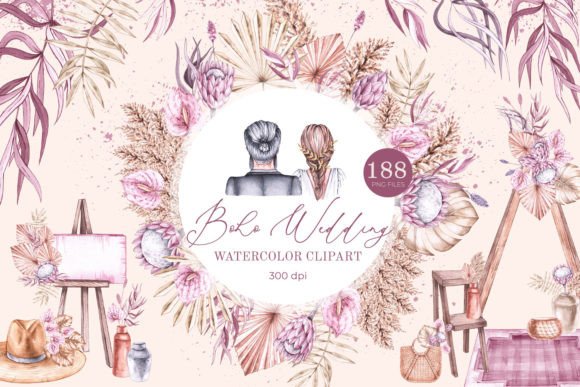
There is a distinct difference between a vectorized, computer-generated flower and a hand-painted watercolor element. The latter carries a soul. The subtle bleed of pigments, the variation in opacity, and the delicate textures of the paper fibers create a depth that digital tools struggle to replicate perfectly on their own. When you utilize a collection like this specific Wedding Flower Frame Clipart set, you are incorporating that authentic, organic feel into your work.
This particular collection features nine high-resolution PNG files, specifically sized at 300 dpi and ranging around 10 to 12 inches. This size is crucial. It ensures that whether you are designing a digital mockup or sending a file to a professional print shop, the image remains crisp and sharp. There is no pixelation, only the beautiful, soft edges of watercolor paint. For a designer, this means less time cleaning up jagged edges and more time focusing on composition and typography.
Practical Applications for Modern Creatives
While the name suggests weddings, the utility of these assets extends far beyond the envelope liner. For graphic designers and content creators, these floral frames serve as versatile design assets that can anchor a variety of projects. Consider the entrepreneur launching a skincare line; the soft, botanical nature of these frames is perfect for packaging design that communicates purity and natural ingredients. Or think about the lifestyle blogger who needs to frame their "quote of the day" on Instagram; placing text inside a watercolor oval creates an immediate focal point that stops the scroll.
Here are a few ways to integrate these elements into your workflow:
- Logo Design: Use the frames as a background or border for text-based logos to add a layer of sophistication and personality. It works exceptionally well for florists, wedding planners, and boutique agencies.
- Merchandise: These frames can be adapted for print-on-demand products. Imagine a tote bag or a ceramic mug with a beautiful floral border surrounding a witty phrase or monogram.
- Editorial Layouts: If you are designing a digital magazine or a lookbook, use these frames to highlight pull quotes or author bios. It breaks up the monotony of text-heavy pages.
- Website Headers: Instead of a standard stock photo, use a wide arrangement of these frames to create a unique header for a "About Me" or "Services" page.
Enhancing Brand Identity and Visual Consistency
One of the biggest challenges in branding is maintaining a cohesive look across all touchpoints. You want your email newsletter to feel like it belongs to the same family as your business card and your website. By using a consistent set of watercolor elements, you create a visual shorthand for your brand.
If your brand identity leans toward the romantic, vintage, or organic, these frames are indispensable. They help improve readability by acting as a visual container for your text. A busy background image can make text hard to read, but placing that text inside a semi-transparent watercolor frame creates a clear hierarchy. The audience knows exactly where to look. This professional presentation builds trust; it signals that you care about the details, which is a subconscious cue that you care about the quality of your service or product as well.
Pairing Typography with Organic Elements
When working with intricate floral frames, your choice of typography is critical. The goal is balance. You don't want your text to fight with the artwork; they should dance together. Because these watercolor elements are soft and fluid, they pair beautifully with fonts that have a bit of character.
A classic serif font often works well for a timeless, elegant look, grounding the fluidity of the watercolor with structure. Alternatively, a flowing script font can amplify the romantic vibe, provided it remains legible. For a more modern contrast, a clean sans serif font can make the watercolor pop even more, offering a contemporary edge to a traditional medium.
When selecting your typeface, consider the scale. Since the elements in this set are generously sized (10-12 inches), you have plenty of room to play with large, bold headers inside the frames. Don't be afraid to let the edges of your letters overlap slightly with the floral elements for a dynamic, integrated look. However, always prioritize readability. If the background texture of the watercolor is too dark, you might need to place a semi-transparent white shape behind your text or choose a font weight that is heavy enough to stand out.
Commercial Licensing and Project Value
For the small business owner, understanding the value of assets is key. High-quality design elements are an investment in your brand's perceived value. When you use premium assets, your end product looks premium. This collection is particularly valuable because it offers originality. In a market saturated with the same recycled clip art, having hand-painted, original work sets your designs apart. It gives your invitations, marketing materials, or digital products a unique signature that clients will remember.
Whether you are creating a suite of wedding invitations for a client or designing social media graphics for your own brand, having a library of high-resolution, versatile floral frames saves time and elevates the final output. It allows you to produce professional-grade work without needing to commission custom illustrations for every single project. This efficiency is vital for creative entrepreneurs who need to balance quality with deadlines.