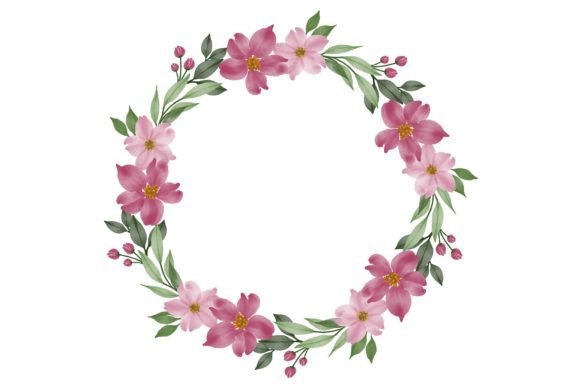
Watercolor Simple Pink Floral Wedding: A Designer's Delight
There’s a certain magic that happens when soft, organic watercolor textures meet the timeless elegance of florals. It’s a visual language that speaks of romance, creativity, and a gentle sophistication. For designers and creators, finding assets that capture this feeling perfectly can transform a project from ordinary to unforgettable. Imagine a design element that brings together the delicate beauty of hand-painted pink blooms with the clean lines and versatility required for modern digital and print work. That’s precisely the kind of charm a thoughtfully crafted watercolor floral design offers, providing a foundation for everything from heartfelt wedding invitations to polished brand identities.
Beyond Aesthetics: The Practical Power of Organic Design
While the visual appeal is immediate, the true value lies in its application. This isn't just a pretty picture; it's a versatile design asset. Consider the needs of a small business owner crafting their brand identity. A watercolor floral element can soften a corporate look, add a touch of artisanal quality to a product label, or create a welcoming atmosphere on a website. For a graphic designer, it becomes a foundational piece in a toolkit, adaptable for client projects across industries like wellness, beauty, stationery, and event planning. The key is that it provides a consistent, high-quality visual motif that can be scaled, colored, and integrated without losing its handcrafted essence.
From Digital Canvases to Physical Products
The applications are nearly limitless, bridging the gap between screen and print with ease. In the digital realm, this style of floral art is perfect for creating engaging social media graphics that stop the scroll. It can serve as a beautiful background for Instagram stories, a header for a Pinterest pin, or a thematic element for a Facebook cover photo. For bloggers and content creators, it adds a professional and cohesive visual layer to articles, especially those covering topics like lifestyle, DIY, weddings, or personal growth. When it comes to web design, incorporating such artwork can guide the user’s eye, break up text-heavy sections, and reinforce a site's overall mood and theme.
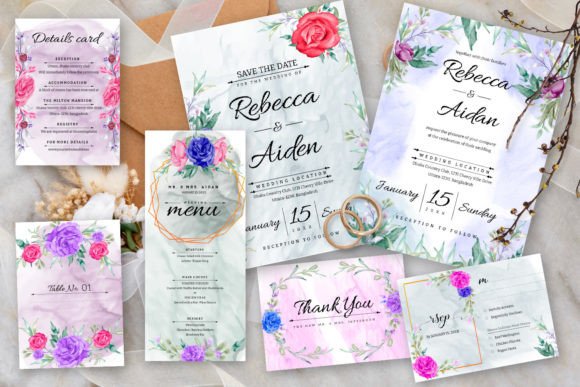
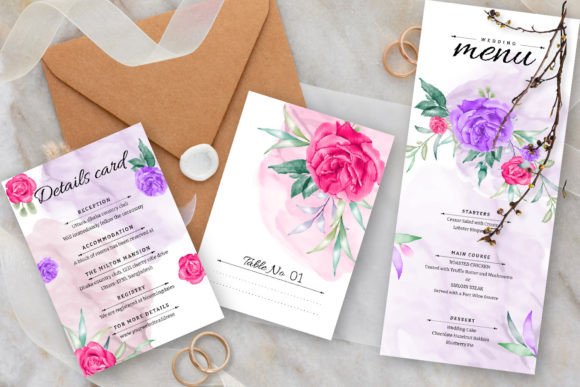
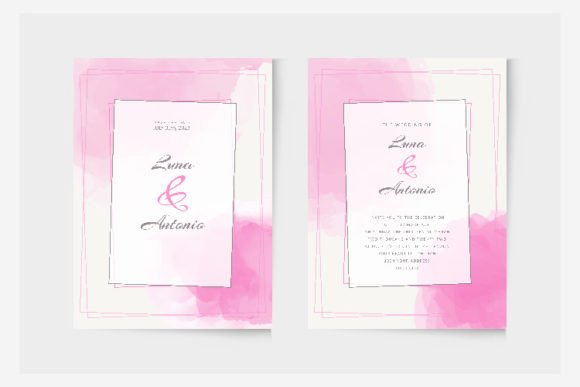
Transitioning to physical products is where the design truly shines in its versatility. The high-resolution quality ensures crisp prints on everything from business cards and letterheads to brochures and posters. For entrepreneurs in the wedding industry, it’s a natural fit for designing save-the-dates, ceremony programs, menu cards, and thank-you notes. The soft pink palette is particularly adept at evoking romance and celebration without being overly bold. Furthermore, it’s ideal for packaging design—think labels for artisanal candles, skincare products, or gourmet foods—where an elegant, handmade feel can significantly elevate perceived value. Merchandise like tote bags, notebooks, and apparel also benefits from the timeless charm of floral watercolor art.
Building a Cohesive Brand Identity
One of the most significant challenges in branding is achieving visual consistency. A single, well-chosen design element can act as the cornerstone of an entire brand system. The watercolor floral motif can be used as a primary logo element, a secondary pattern, or an accent mark across all brand touchpoints. This creates instant recognition and a unified aesthetic. When a customer sees the same delicate floral spray on a website, an invoice, and a product package, it builds a subconscious association with the brand's values—perhaps elegance, creativity, nature, or care. It moves a brand from looking assembled to feeling intentionally designed.
For this to work effectively, the asset must be professional. Access to the design in multiple formats is crucial. A vector file (like EPS) allows for infinite scaling without loss of quality, essential for large-format printing or detailed embroidery files. A high-quality JPG provides an immediate preview and is ready for digital use. The inclusion of RGB color profiles ensures vibrant accuracy on screens, while understanding how to convert to CMYK for professional printing is a key consideration for any serious designer. This kind of preparation saves countless hours and prevents frustrating rework down the line.
Making It Work: Practical Tips for Integration
Simply having a beautiful asset isn’t enough; knowing how to use it effectively is what separates good design from great. Here are some practical considerations:
- Pairing with Typography: The soft, flowing nature of watercolor florals pairs beautifully with a range of fonts. For a romantic or vintage feel, consider a elegant serif font or a graceful script font. To keep the look modern and clean, balance the organic art with a sturdy sans serif font. The contrast creates visual interest and ensures readability, especially for body text. Always test your font pairing in context.
- Color Harmony: While the base design is pink, its versatility allows for color adjustments. Use the color picker to sample hues from the floral art to choose complementary colors for text, backgrounds, or other graphic elements. This creates a naturally harmonious palette that feels cohesive and professional.
- Scale and Composition: Don’t be afraid to use the floral element in different ways. Scale it up to become a dramatic background, use a single bloom as a subtle accent, or mirror and repeat it to create a seamless pattern for stationery or textile design. Thinking about composition—like using the rule of thirds—can help place the artwork effectively within your layout.
- Readability is Key: When placing text over a watercolor background, ensure there is sufficient contrast. Using a semi-transparent solid color overlay or a text box with a slight shadow can help legibility without completely obscuring the beautiful artwork beneath.
Aligning the Asset with Your Project's Goals
Before diving in, take a moment to define your project's objective. Is the goal to convey luxury and exclusivity? Perhaps the florals should be used sparingly as a high-end accent. Is it to express warmth and approachability? A more generous use of the pattern might be appropriate. For a logo design, simplicity and recognizability are paramount, so a single, clean floral element might be extracted. For editorial design in a magazine or lookbook, the art can set the mood for an entire spread. Understanding the intent ensures the design asset works for you, not against you.
Ultimately, a resource like a premium watercolor floral design is more than just a decorative element. It’s a tool for storytelling, a building block for brand identity, and a shortcut to achieving a polished, professional aesthetic. By considering its practical applications—from social media graphics and web design to packaging and print materials—and applying thoughtful design principles, you can unlock its full potential to create work that resonates deeply with your audience and stands the test of time.