The Organic Appeal of Simple Leaf and Circle Designs
There is an undeniable warmth that washes over you when you see a design that feels touched by nature. In a world dominated by sharp digital angles and cold geometric grids, the introduction of organic shapes—specifically the motif of a simple leaf encased in a circle—offers a breath of fresh air. This isn't just about drawing a plant; it is about capturing the essence of growth, cycles, and harmony. For designers, marketers, and business owners looking to evoke a sense of calm and authenticity, understanding how to leverage these specific vector elements can transform a standard project into something truly memorable. Whether you are crafting a wedding invitation or building a brand identity for an eco-conscious startup, the visual language of flora speaks volumes before a single word is read.
Why "Circle Leaf" Works: The Psychology of Organic Shapes
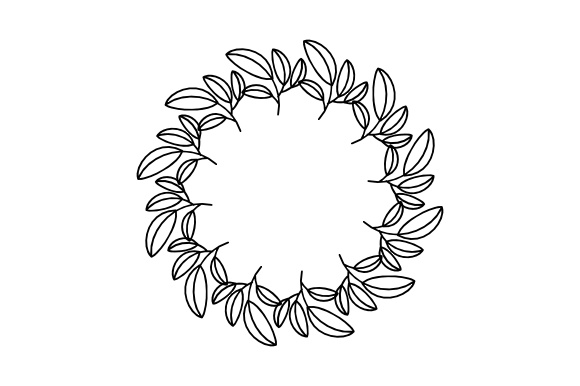
Why does a leaf inside a circle resonate so deeply with audiences? It comes down to visual psychology. The circle represents wholeness, unity, and infinity. It has no beginning and no end. When you combine this with a leaf—a universal symbol of nature, vitality, and peace—you create a powerful visual metaphor. This combination suggests that the brand or event is grounded, complete, and in tune with the natural world.
This specific aesthetic, often found in high-quality vector art, is incredibly versatile. It bridges the gap between modern typography and rustic charm. It doesn't scream for attention like a neon sign; instead, it draws the eye through balance and elegance. For a brand identity, this means you are signaling reliability and organic quality. For a natural wedding, it signals romance and timelessness. The "swirl" elements often accompanying these designs add a touch of whimsy and movement, preventing the design from feeling too rigid or static.
Practical Applications: From Wedding Invitations to Digital Branding
The beauty of a well-executed floral vector art element is its adaptability across different mediums. We often get stuck thinking a floral design is only for stationery, but the applications are vast and commercially viable.
- Packaging Design: If you sell artisanal goods, skincare, or organic foods, a simple leaf motif can elevate your packaging from generic to premium. It immediately communicates "natural ingredients" to the consumer scanning a shelf.
- Social Media Graphics: In the fast-scrolling environment of Instagram or Pinterest, clean vector graphics load fast and look crisp on any screen. A circle leaf icon makes for an excellent profile picture watermark or a recurring motif in your story highlights.
- Logo Design: Many successful logos use the "wreath" effect—encircling text or a central icon with botanical elements. This works exceptionally well for photographers, wellness coaches, and boutique shops.
- Editorial Layouts: If you are a blogger or publisher, using these vectors as page breaks, pull-quote decorations, or margin art can soften the density of text and make your content more readable.
Pairing Typography with Botanical Elements
A vector graphic is rarely an island; it usually needs to work in tandem with text. This is where the challenge—and the fun—lies. The goal is visual consistency. If your leaf illustration is delicate and airy, pairing it with a heavy, blocky sans serif font can create a jarring contrast.
Consider the style of the vector art. If the design features "swirls" and intricate details, it pairs beautifully with a script font or a handwritten font. These typefaces mimic the organic irregularity of hand-drawn art. However, readability is key. If you are using a highly decorative script for a headline, ensure your body copy is a clean serif font or a simple sans-serif. This hierarchy guides the reader's eye. For example, a wedding invitation might use a looping script for the couple's names but a classic serif for the venue details. This ensures the information is accessible while maintaining the romantic aesthetic.
Commercial Licensing and Professional Presentation
When sourcing these design assets, particularly for commercial use, the technical details matter. You want to look for premium font and vector packages that come with clear licensing. Using a "free for personal use" asset on a product you sell is a common mistake that can lead to legal headaches down the road.
Look for assets that offer scalability. Because these are vectors, they should be infinitely scalable without losing quality—essential if you decide to use the same leaf design on a business card today and a trade show banner tomorrow. A professional presentation relies on crisp edges. Pixelated leaves on a high-resolution website signal a lack of attention to detail.
Enhancing Audience Engagement Through Visual Storytelling
Ultimately, design is about connection. When you use elements like a circle leaf or a floral swirl, you are tapping into a visual story that audiences already understand. You are telling them, "We care about details," and "We value beauty."
For marketing assets, this emotional resonance can lead to higher engagement. A social media post featuring soft, natural graphics is often more "saveable" and shareable than a stark, text-only announcement. It creates a mood. For digital products like planners or e-books, incorporating these elements into the design increases the perceived value. It turns a functional item into an aesthetic experience.
Don't be afraid to mix and match. Take the simple leaf and place it in the corner of a photo. Use the circle motif as a frame for a testimonial. Integrate the swirls into your website's footer. By weaving these natural elements throughout your web design and print materials, you create a cohesive world for your brand that feels intentional, polished, and deeply human.