Spring Wedding Decor: Floral Elements for Your Design Projects
There's a particular kind of magic that happens in spring. The air warms, colors burst forth from the earth, and everything feels full of possibility. This seasonal energy is exactly what makes spring-inspired design so powerful, especially for projects that need to feel fresh, romantic, and vibrant. If you've been searching for a way to capture that feeling in your work, exploring floral elements like those found in Spring Wedding Decor. Floral Element. Na could be the creative spark you need. This design asset isn't just about pretty flowers; it's about harnessing a specific mood to connect with your audience on an emotional level.
Beyond the Bouquet: The Versatility of Floral Design Assets
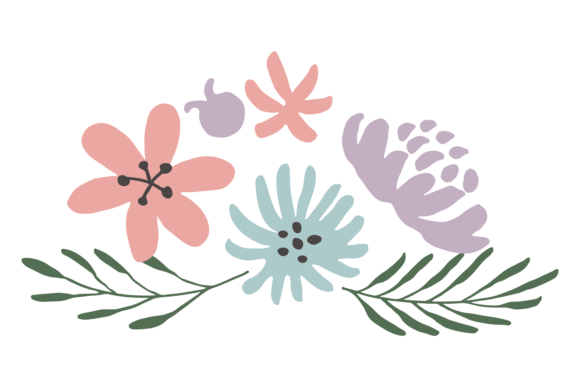
At its heart, this resource is a collection of natural flowers isolated on a white background, available in multiple file formats like EPS, JPG, SVG, and transparent PNG. That technical description, however, doesn't fully capture its utility. Think of these elements as versatile visual vocabulary. The clean isolation of each bloom and leaf means you can seamlessly integrate them into virtually any project without worrying about clashing backgrounds or messy edges. This makes it a practical choice for both digital and print applications.
For a small business owner launching a new skincare line, these floral elements could become the cornerstone of the packaging design. Imagine a delicate peony wrapping around a jar or a spray of lavender framing the product name. It instantly communicates natural ingredients and a gentle, luxurious feel. Similarly, a content creator or blogger can use these elements to create cohesive social media graphics. A consistent style of floral accents on Instagram stories, Pinterest pins, and featured images builds a recognizable brand aesthetic that followers will come to associate with your content.
Building a Cohesive Visual Identity
One of the biggest challenges in design is maintaining visual consistency across all touchpoints. Using a unified set of floral assets is a strategic way to solve this. The specific style of the illustrations in Spring Wedding Decor. Floral Element. Na—perhaps watercolor, line art, or realistic rendering—becomes a signature part of your brand's visual language.
Consider a marketing professional developing assets for a spring campaign. They could use the same floral motifs on the event poster, the email newsletter header, the website's hero image, and the digital product cover. This repetition reinforces the campaign's theme and makes the entire initiative feel polished and professional. It’s a subtle but effective way to improve brand recognition. When your audience sees that specific floral style, they'll immediately connect it with your brand or project, even before they read the text.
Practical Applications for Modern Designers
Let's get concrete about where these elements can make a real difference. The applications are broader than you might initially think.
- Invitations & Editorial Layouts: This is the most obvious use, but it's worth emphasizing. For wedding stationery, the floral elements set the entire tone. For a magazine or blog layout, they can frame articles, create beautiful dividers, or add visual interest to a page without overwhelming the text.
- Logo Design & Brand Marks: A thoughtfully chosen floral element can be incorporated into a logo design to give it character. It works exceptionally well for businesses in the wellness, beauty, fashion, or artisan food spaces. The key is to use it as an accent, not the entire logo, ensuring it scales well and remains readable.
- Web Design & User Experience: On a website, floral elements can be used to highlight sections, create engaging borders, or serve as background textures. They can soften a corporate layout or add charm to an e-commerce site, improving the overall professional presentation and potentially increasing audience engagement by making the site feel more inviting.
- Merchandise & Physical Products: Think beyond paper. These illustrations could be adapted for tote bags, mugs, phone cases, or notebook covers. The transparent PNG format is perfect for this, allowing you to place the flowers on any colored product without a white box around them.
Making Smart Choices: Pairing and Readability
Introducing a strong visual element like a floral asset requires a thoughtful approach to the rest of your design, especially typography. The goal is harmony, not competition. If you're using a detailed floral illustration, pair it with a clean, simple sans serif font for body text to ensure readability. A beautiful script font or handwritten font might work for a headline, but it should be used sparingly and tested at the actual size it will appear.
This is where understanding your project's goals is crucial. Is the primary aim to convey elegance? A serif font with a classic feel might complement the florals. Is it to feel modern and approachable? A geometric sans serif could be the perfect match. Always test your font pairing with the floral elements in place. What looks good in isolation can become cluttered when combined. Step back and view the design as a whole. Does the text remain the clear focal point, supported by the decorative elements? That's the sweet spot.
Finally, consider the practicalities of licensing. If you're using these assets for a client project or for products you intend to sell, ensure you understand the commercial licensing terms of the resource. Using design assets correctly is just as important as using them creatively. With the right floral elements in your toolkit, you're equipped to bring a breath of fresh, spring-inspired air to any project, creating designs that are not only beautiful but also strategically effective.