Elegant Botanical Design: Hand-Painted Fern Clipart
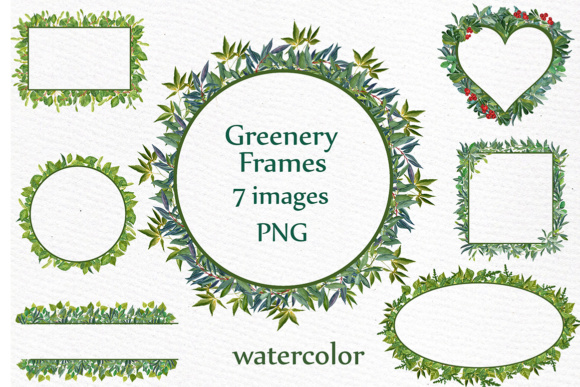
There is a distinct, organic texture that digital design often struggles to replicate. We have all seen flat, vectorized leaves that look sterile and lifeless. However, when you introduce authentic hand-painted elements into a layout, the entire mood shifts. This specific collection of Watercolor Greenery Frames Clipart captures the delicate bleeding of pigment and the translucent layers of a real fern frond. It is not just a set of digital stickers; it is a toolkit for adding warmth, sophistication, and a natural touch to any creative project. Whether you are curating a brand for a botanical garden or designing a wedding suite, understanding how to utilize these assets effectively is the key to standing out in a crowded marketplace.
The Versatility of Watercolor Ferns in Modern Branding
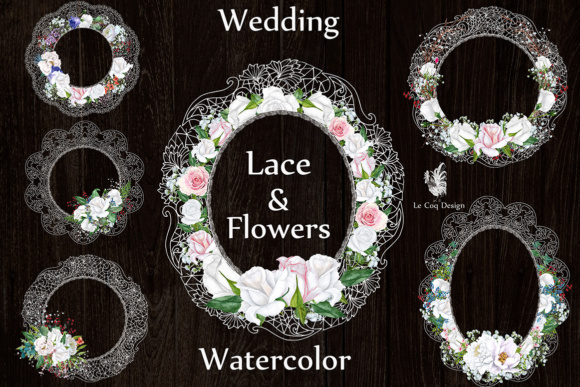
For designers and business owners, visual consistency is the bedrock of brand recognition. Incorporating Watercolor Frames Wedding Clip Art into your identity system can do more than just make things look pretty; it establishes a specific tone of voice. The soft, organic nature of watercolor suggests gentleness, eco-consciousness, and artisanal quality. If you are building a brand for a skincare line, a yoga studio, or a sustainable clothing company, these Foliage Clip Art elements act as visual shorthand for "natural" and "pure."
Consider the practical application in logo design. While you might not use the detailed fern as the main logomark due to scaling issues, it works beautifully as a secondary element. You can use a single frond to underline a wordmark or wrap a frame around a monogram. This creates a brand identity that feels bespoke rather than template-driven. Because these files are provided as high-resolution PNGs at 300 dpi, they are perfect for both digital screens and high-quality print materials. You do not have to worry about pixelation when printing large-format posters or packaging inserts.
Elevating Editorial and Packaging Design
When working on packaging design, texture is everything. A flat color background on a box can look cheap, but overlaying a watercolor fern frame instantly adds perceived value. Think about a artisanal tea box or a handmade soap label. By placing the product name inside one of the watercolor greenery frames, you create a focal point that feels hand-crafted. The transparency of the PNG files allows the background color of your packaging to influence the look of the clipart, meaning you can achieve different visual effects with a single asset.
In editorial design, such as magazine layouts or lookbooks, these elements serve as excellent dividers or accent pieces. Instead of using a standard geometric line to separate sections of text, a delicate fern frond can guide the reader's eye naturally. This is particularly effective for lifestyle blogs and travel journals where the aesthetic needs to feel immersive. The goal is to make the layout breathe, and greenery does exactly that by breaking up the rigidity of columns and text blocks.
Digital Presence: Social Media and Web Design
The digital landscape demands constant content creation, and having a library of design assets like this collection speeds up production significantly. For social media graphics, engagement often relies on stopping the scroll. An Instagram story or Pinterest pin featuring a lush, green border stands out against the typical flat graphics. You can use these frames to highlight customer testimonials, announce sales, or simply create a cohesive aesthetic grid.
For web design, these assets are invaluable for creating a "hero" section that feels alive. Instead of a generic stock photo, a custom arrangement of watercolor ferns can frame your website header. This works exceptionally well for wedding photographers, interior designers, or florists. Because the images are hand-painted, they retain a level of detail that vectors lack. This detail adds depth to your digital products, such as PDF planners, e-books, or course materials, making them feel more premium to the buyer.
Practical Advice for Using Watercolor Assets
Integrating watercolor elements into a layout requires a bit of finesse to avoid looking cluttered. Here are some practical tips for getting the most out of your premium font and clipart combinations:
- Layering and Compositing: Don't just place the frame on top of your image. Use blending modes in Photoshop or Illustrator. The "Multiply" mode often works best for watercolors, as it drops out the white background and allows the texture to blend with the underlying color.
- Color Harmony: While the ferns are naturally green, you can adjust the hue and saturation to match your specific brand identity. A desaturated, sage green fits a minimalist aesthetic, while a bright emerald suits a vibrant, energetic brand.
- Typography Pairing: Because these frames are ornate and organic, they pair best with clean typography. A geometric sans serif font or a classic serif font provides a necessary contrast to the flowing watercolor shapes. Avoid using a highly decorative script font inside the frames, as this can reduce readability.
- Negative Space: Allow the ferns to have room to breathe. If you pack the text too tightly inside the frame, the design will feel suffocated. Use the natural curves of the leaves to guide your text alignment.
Commercial Licensing and Workflow
For entrepreneurs and small business owners, understanding the usage rights of your creative font and graphics is vital. These assets are described as original, hand-painted work, which typically implies a level of exclusivity in the artistic style, though you should always review the specific license of the shop regarding commercial use. Most standard licenses allow for use in physical end products (like wedding invitations for clients) and digital end products (like a social media post), but may restrict the distribution of the raw file itself.
When incorporating these into your workflow, organize your files by color or orientation. Since the collection includes seven distinct elements, you have enough variety to create multiple unique designs without repeating the exact same layout. This is crucial for marketing assets where variety keeps your audience interested but the style keeps them familiar with your brand. By treating these watercolor ferns not just as decorations but as structural components of your design, you create a visual language that communicates quality and attention to detail.