Designing Dreamy Occasions: The Charm of Sakura-Themed Invitations
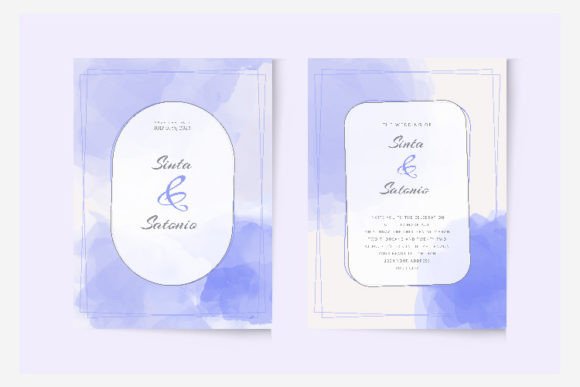
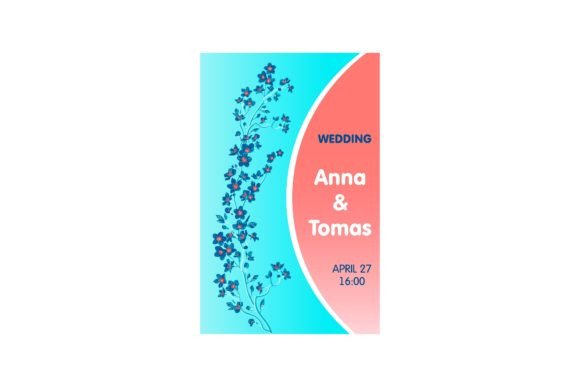
There's something undeniably magical about the arrival of spring, especially when it's marked by the delicate, fleeting beauty of cherry blossoms. Capturing that essence in a tangible form—like a party or wedding invitation—transforms a simple piece of paper into a promise of an experience. A design built around this concept, often featuring soft blue floral accents, a clear date, and a distinctly Japanese-inspired aesthetic, does more than just inform guests. It sets a tone, whispers of renewal, and creates a visual memory before the event even begins. This approach to design taps into a universal appreciation for natural elegance and seasonal celebration, making it a powerful tool for anyone looking to create something truly memorable.
The Visual Language of a Cherry Blossom Theme
What makes this particular design style so captivating? It’s a careful balance of elements. The sakura, or cherry blossom, is the star, symbolizing new beginnings, beauty, and the transient nature of life—perfect for weddings and milestone celebrations. The choice of a blue floral accent is a masterstroke; it introduces a calming, trustworthy color that complements the soft pinks and whites of the blossoms without competing for attention. This color pairing feels fresh, modern, and slightly unexpected, which helps the design stand out. Incorporating a clear, well-placed date is non-negotiable for functionality, but within this aesthetic, it becomes part of the art. The overall "Japan and spring concept" isn't just about slapping on some flowers; it's about evoking a feeling of serene elegance, clean lines, and thoughtful composition. This makes it an ideal template for leaflet, banner, or flyer designs where first impressions are critical.
From Invitation to Brand Identity: A Designer's Perspective
As a designer, I see this aesthetic as more than a one-off project. The principles behind a successful sakura-themed invitation are directly transferable to building a cohesive brand identity, especially for businesses in wellness, beauty, hospitality, or artisanal crafts. Imagine a boutique hotel or a high-end tea company using a premium font that echoes this elegant, flowing style for their logo and packaging design. The visual consistency achieved by using a complementary typeface across a website, social media graphics, and printed menus creates an immediate sense of professionalism and curated taste. The visual characteristics of a font that pairs well here—perhaps a delicate script font for headlines paired with a clean sans serif font for body text—ensure readability while maintaining that sophisticated, airy feel. This isn't just about making things look pretty; it's about using modern typography to communicate brand values of grace, precision, and natural beauty.
Practical Applications for Entrepreneurs and Creators
You don't have to be a designer to leverage this style effectively. For a small business owner planning a product launch or a seasonal sale, a flyer or banner with this blue floral and sakura motif immediately communicates a theme of freshness and new offerings. Content creators can use these design principles to craft stunning social media graphics that stop the scroll, perhaps for a blog series on mindfulness or a YouTube channel about Japanese culture. The key is in the font pairing. Testing a bold, elegant display font for your call-to-action with a more subdued serif font for details can guide the viewer's eye exactly where you want it. For editorial design, like a lookbook or a magazine feature, this aesthetic provides a beautiful, cohesive framework. The practical advice here is to focus on audience engagement: a well-executed, thematic design shows you’ve put thought into your presentation, which builds trust and interest before a single word of copy is read.
Making It Work: Technical and Creative Considerations
Bringing this vision to life requires attention to a few practical details. First, choosing the right font style is paramount. If your project is formal, like a wedding invitation, a sophisticated script font or a refined serif might be your primary choice. For a more casual garden party or a modern brand, a handwritten font with clean lines could add personality without sacrificing clarity. Always review the included font styles in a family—does it offer bold, italic, or condensed versions? These give you flexibility within a unified look. Readability considerations are critical, especially for the essential information like date, time, and location. Avoid overly ornate scripts for body text. Test your font pairings at various sizes, both on screen and in print mockups. Finally, if you're using this design for commercial purposes, understanding the commercial licensing of any creative font or design asset you use is non-negotiable. Many premium fonts come with licenses that cover multiple uses, from digital products to merchandise, giving you peace of mind as your project grows.
Beyond the Event: Lasting Brand Recognition
The true power of a well-executed sakura-themed design lies in its ability to create lasting brand recognition. When the visual language is consistent—from the initial invitation to the thank-you notes, the event signage, and even the social media posts afterward—it creates a memorable experience that guests and customers associate with quality and care. This professional presentation elevates everything. Whether you're a crafter selling handmade goods at a spring market, a marketer launching a new product line, or a blogger hosting a workshop, this aesthetic offers a versatile and deeply appealing foundation. It’s a testament to how thoughtful design, rooted in a beautiful concept, can communicate so much more than words alone ever could.